Corbett Tiger Reserve
Uttarakhand · Himalayan foothill and riverine landscape.
NTCA directory →A source-led guide to protected areas, national symbols and conservation context. It is for learning and responsible planning—not wildlife tracking, booking, or real-time sighting information.
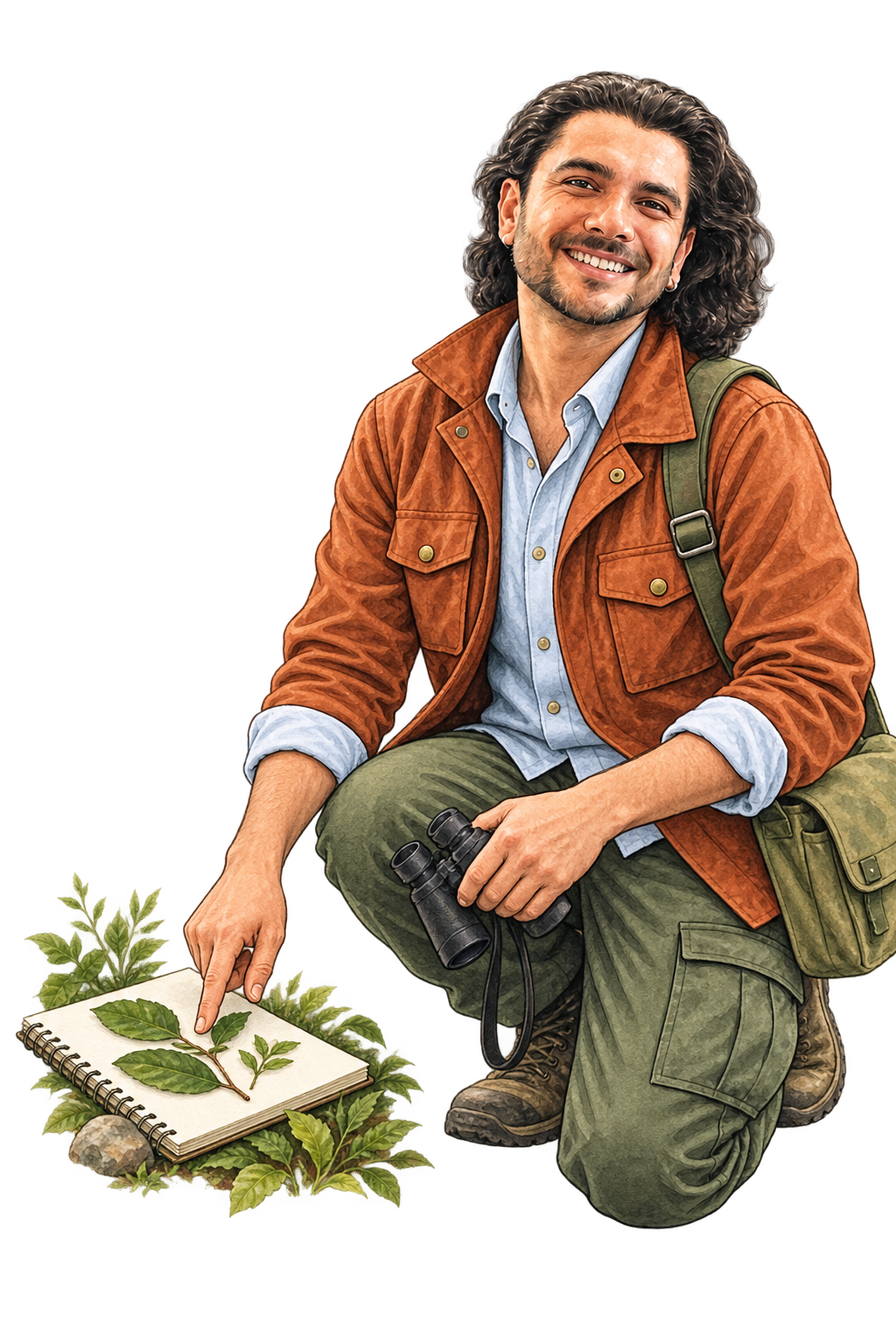
We protect living landscapes first by recording them with care and restraint.— Rahul Gautam
The National Tiger Conservation Authority’s directory is the authoritative starting point for reserve names, states, notifications and area information. This opening selection demonstrates the structure; the full directory will be added source-by-source.
Live source: use the NTCA tiger reserve directory for the current official list and its notification records.
Uttarakhand · Himalayan foothill and riverine landscape.
NTCA directory →Madhya Pradesh · Central Indian forest and grassland mosaic.
NTCA directory →West Bengal · Mangrove ecosystem within the Ganga-Brahmaputra delta region.
NTCA directory →Uttar Pradesh · Terai landscape, connected to future UP nature records.
NTCA directory →Kerala · Western Ghats landscape with forest and water ecosystems.
NTCA directory →Odisha · Forested plateau ecosystem and biodiversity landscape.
NTCA directory →The tiger is India’s national animal. Conservation context belongs with reliable, dated official sources.
The Indian peafowl is India’s national bird. Learn about ecology and protection without disturbing wildlife.
The lotus is India’s national flower and holds cultural as well as ecological significance.
The banyan is India’s national tree, connected to cultural landscapes and biodiversity.
This overview will be expanded with official source links and plain-language conservation context; it does not replace legal or species-status information from competent authorities.
| Collection | Evidence standard | Connection |
|---|---|---|
| National parks & wildlife sanctuaries | Official designation and management source before publication. | State dossiers and responsible visitor guidance. |
| Ramsar wetlands & biosphere reserves | International/official designation plus local ecology context. | Water, climate and development discussions. |
| State nature profiles | Verified area, authority and dated conservation data. | States, heritage and public-record timelines. |
| Conservation updates | Dated official releases or clearly attributed reporting. | Never live location data or speculative counts. |